Estate & Legacy Planning
Estate planning is more than deciding who gets what.
It is about protecting the people you care about, preparing for taxes and expenses, and using the wealth you have built to create a meaningful legacy.
I help you bring together three important areas of planning: insurance, philanthropy, and tax-aware wealth transfer.
Protecting Your Family Through Insurance
Insurance can provide the money your family or estate may need at a difficult time. The goal is not simply to own insurance. It is to understand what role it should play in your overall estate plan.
Protect your spouse or family
Replace lost income
Pay taxes and estate expenses
Equalize inheritances
Support a business transition
Preserve other assets for beneficiaries
Creating Impact Through Philanthropy
Charitable giving can allow you to support the organizations and causes that have been meaningful in your life. Philanthropy can be both personally meaningful and financially strategic.
Include charitable giving in your estate
Give during your lifetime
Involve children or grandchildren
Donate investments or insurance
Balance gifts to family and charity
Create a legacy that reflects your values
Planning for Taxes and Wealth Transfer
Taxes and estate costs can reduce what ultimately reaches your family or chosen charities. The objective is to prepare ahead, reduce surprises, and help more of your wealth reach the people and causes you choose.
Registered accounts
Non-registered investments
Beneficiary designations
Life insurance
Corporate assets
Property and other significant assets
Charitable gifts
Estate liquidity
What We Review
The areas we look at together when organizing the financial side of your estate plan.
Goals for family and charitable giving
Existing wills and powers of attorney
Beneficiary designations
Ownership of accounts and property
Registered and non-registered investments
Insurance coverage
Potential taxes and estate expenses
Corporate assets or business interests
Executor readiness
Family communication
Questions for your lawyer and accountant
What You Receive

A clearer picture of your current estate arrangements

A summary of potential gaps or concerns

A list of decisions that may require attention

Questions to discuss with your lawyer and accountant

A coordinated financial roadmap for your family and legacy
Executor Services
Just been named an executor?
Executor training and facilitated family meetings are available as a stand-alone paid service you don't need to be an estate planning client.
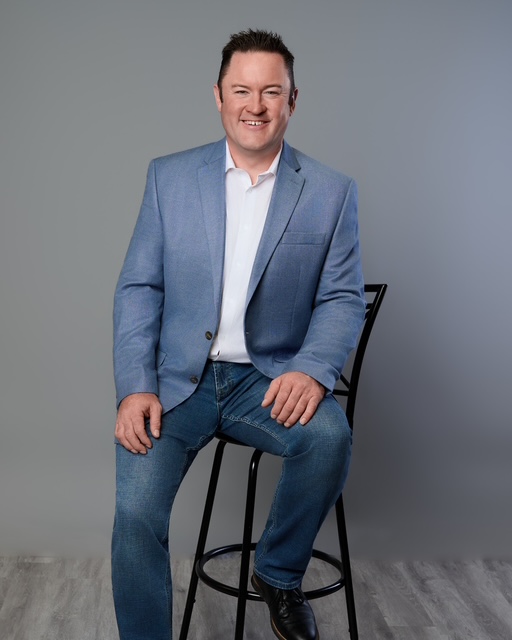
Keith coaches executors through the role and facilitates the family conversations that keep everyone organized and on the same side of the table.
Congratulations and condolences. It's an honour, and it's also a job most people are handed with zero training: legal duties, tax filings, family expectations, and personal liability if it goes wrong.
What executor support includes
One-on-one executor training what the role actually requires, step by step
Facilitated family conversations, so expectations are set while everyone is in the room
Getting the documents, accounts, and contacts organized in one place
Coordination with the lawyer and accountant handling the estate
Start My Estate Readiness Review
We begin with an introductory conversation about your goals, your family, and the planning you have already completed.



The Estate Planning Guy
Plan for the life you want and the legacy you want to leave.


Get in touch
Call us : 902-449-2676
Email: [email protected]
Address:
7051 Bayers Road
Unit 202
Halifax, NS
B3L 2C1
Keith MacKay is not a lawyer and does not provide legal advice or draft legal documents. Where wills, powers of attorney, or other legal documents are required, clients are referred to, and work directly with, a qualified lawyer. Estate planning services are provided on a fee-for-service basis. Insurance products, including segregated funds, are offered under Keith's insurance license. This website is for general information only and does not constitute legal, tax, or investment advice; please consult the appropriate professional regarding your specific situation.
© 2026 The Estate Planning Guy